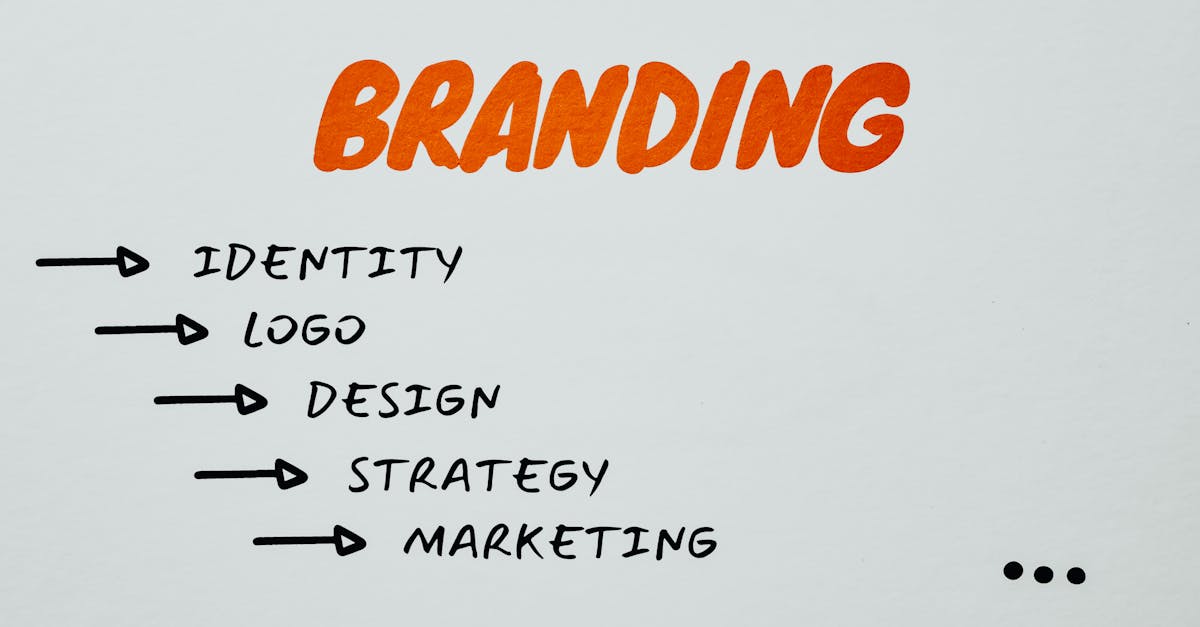
Business Branding Tips For A Strong Market Presence
Think of your favorite local coffee shop. When you walk in, you know exactly what to expect. You know the smell of the roasted beans, the friendly attitude of the staff, and the specific vibe of the furniture. That is branding in action. It is not just the sign above the door; it is the entire experience. If you are trying to carve out a space for your business in a crowded market, you need to stop thinking of your brand as a static asset and start viewing it as a living, breathing personality.
Defining Your Core Identity: The Heart of Your Business
Before you design a single business card, you need to dig deep into your soul. Why does your business exist beyond making money? Your core identity is the foundation upon which everything else is built. If your foundation is cracked, your branding will eventually tumble down.
Ask yourself these questions: What are our core values? What problem are we solving that no one else can? If your company were a person, what would they stand for? When you define these pillars, you create a North Star that guides every decision, from your marketing campaigns to your internal hiring policies.
Identifying Your Target Audience: Who Are You Actually Talking To?
Many business owners make the mistake of trying to appeal to everyone. If you try to talk to everyone, you end up talking to no one. It is much better to be the absolute favorite brand for a specific group of people than to be a vague, lukewarm option for the masses.
Create a detailed customer persona. What keeps them up at night? Where do they hang out online? What is their preferred tone of voice? By mapping out exactly who your ideal customer is, you can tailor your messaging to resonate with them on a deeply personal level. Think of it like tuning a radio to the perfect frequency; once you hit the right station, the connection is crystal clear.
Establishing a Consistent Brand Voice
Your brand voice is the personality behind your communication. Are you the professional, corporate expert? Or are you the playful, witty friend? Once you choose a lane, you must stay in it. If your website sounds like a university textbook, but your Instagram posts sound like a teenager on a sugar rush, your audience will be confused.
Consistency in voice builds trust. When people recognize your tone without seeing your name, you have officially built a strong brand. Use your voice to humanize your business. People connect with humans, not corporations.
Visual Identity: Crafting a Look That Sticks
We live in a visual world. Before someone reads a single sentence about your business, they see your colors, your fonts, and your logo. Your visual identity is the hook that catches the eye.
Keep it simple. Think of major brands like Apple or Nike. They use clean lines, simple color palettes, and iconic imagery. You do not need to overcomplicate your design. Ensure that your visuals are cohesive across your website, your social media profiles, and your physical packaging. This repetition helps build mental associations in the minds of your customers.
Defining Your Unique Value Proposition (UVP)
Why should someone choose you over the guy down the street? Your Unique Value Proposition is your secret sauce. It is the specific benefit that you provide that your competitors cannot match. It might be better customer service, a more innovative product, or a unique approach to sustainability.
Your UVP should be short, punchy, and impossible to ignore. Put it at the top of your website so that anyone who visits knows exactly what you offer within five seconds. If your value proposition is buried, you are losing customers.
The Role of Customer Experience in Branding
Your brand is ultimately what your customers say about you when you are not in the room. If your marketing says you are the best, but your customer service is a nightmare, your brand is effectively dead. Experience is the bridge between promise and reality.
Ensure that every touchpoint a customer has with your business is smooth. From the speed of your website to the ease of your checkout process and the friendliness of your support team, every single interaction reinforces or damages your brand. Treat every customer interaction as an opportunity to prove your value.
Content Strategy: Building Authority Through Value
In the digital age, content is the currency of trust. Instead of constantly pushing sales messages, start providing genuine value. Write blog posts that solve problems, create videos that educate, and share insights that make your customers’ lives easier.
By positioning yourself as a helpful expert, you build authority. When you become the go to resource in your industry, people will naturally gravitate toward your brand when they are ready to buy. It is the long game, but it is the only way to build lasting market presence.
Leveraging Social Media for Brand Awareness
Social media is your brand’s living room. It is where you hang out with your audience, listen to their concerns, and join the conversation. You do not have to be on every platform, but you must be active on the platforms where your target audience resides.
Focus on interaction rather than just broadcasting. Respond to comments, ask questions, and share behind the scenes footage to show the human side of your operation. Social media is not an advertising billboard; it is a community space.
The Power of Storytelling in Modern Marketing
Facts tell, but stories sell. Humans are wired to connect with narratives. If you can craft a compelling story around your business, you will forge an emotional bond with your customers that goes far beyond a transaction.
Tell the story of how you started. Talk about the failures you overcame. Share the stories of your customers whose lives were improved by your product. When people see their own aspirations or challenges reflected in your brand story, they become loyal advocates for life.
Why Consistency Is Your Best Friend
I cannot stress this enough: consistency is the secret to memorability. If you change your logo, your voice, and your messaging every few months, you are confusing your audience. A confused customer is a customer who leaves.
Develop brand guidelines. Keep track of the hex codes for your colors, the fonts you use, and the tone of your written content. When every aspect of your brand looks and feels like it came from the same source, you project stability and competence.
Building a Community Rather Than Just a Customer Base
A customer base buys your products. A community believes in your brand. How do you transition from the former to the latter? You give them a place to belong. Start a newsletter, create a Facebook group, or host webinars where your customers can learn from each other.
When you foster a sense of belonging, your customers feel invested in your success. They become your marketing team, spreading the word to their friends and defending your brand when things get tough. A community is the strongest moat you can build around your business.
Staying Relevant: The Art of Brand Evolution
Branding is not a “set it and forget it” process. As the market changes, your brand must evolve. This does not mean throwing away your core identity, but it does mean refining how you express it.
Keep a pulse on industry trends and consumer behavior. If your audience is shifting toward mobile first, ensure your branding is optimized for mobile. If there is a new way to communicate that resonates better with your crowd, experiment with it. Adaptation is how you avoid becoming a relic.
Monitoring Your Reputation and Market Sentiment
How do people feel about you right now? You need to know. Set up alerts to monitor brand mentions across the web. Pay attention to reviews and direct messages. If there is a recurring problem, address it immediately.
Being proactive about your reputation allows you to put out small fires before they become infernos. It also shows your audience that you care about their feedback, which is one of the highest forms of respect you can show a customer.
Conclusion: Bringing It All Together
Building a strong market presence is not about finding a magic trick or spending a fortune on ads. It is about the disciplined, daily application of your brand identity across every single point of contact. By defining who you are, understanding your audience, staying consistent, and delivering genuine value, you turn your business from a commodity into a brand that people love. Start today by looking at your business through the eyes of your customer. What do they see? What do they hear? And most importantly, what do they feel? Take control of that narrative and watch your market presence grow.
Frequently Asked Questions
1. How long does it take to see the results of effective branding?
Branding is a marathon, not a sprint. While some tactical changes might provide an immediate boost in engagement, building true brand equity usually takes months or even years of consistent effort.
2. Can I rebrand if my business is already established?
Absolutely. Rebranding is often a necessary step to stay relevant or pivot your focus. Just ensure you communicate the “why” to your existing customers so they do not feel alienated by the changes.
3. Do I need a big budget to build a strong brand?
Not at all. While money helps with advertising reach, the core of branding is about strategy, consistency, and storytelling. These are things you can achieve with time, creativity, and a deep understanding of your audience.
4. How do I know if my brand strategy is working?
Look for indicators like increased social media engagement, higher website traffic from branded search terms, repeat customer rates, and positive feedback in reviews. These show that your brand is gaining traction.
5. Should I focus on my personal brand or my company brand?
That depends on your business model. For service-based businesses, a personal brand is often very powerful because it builds direct trust. For product-based companies, focus on the brand identity itself. Often, the best approach is a blend where the founder’s values are woven into the company’s story.